
Identity Is a Choice: How Self-Knowledge Builds Confidence, Self-Worth, and Lasting Recovery
Discover how self-knowledge, values, and purpose can help you build an authentic identity, strengthen your self-esteem, and stop seeking approval from others.

Who am I?
It sounds like a simple question, yet for many of us it is one of the hardest to answer.
In our previous article, The Season of Who Am I? we explored why self-knowledge is the foundation of healing, personal growth, and recovery from emotional distress. We reflected on what it means to stop living on autopilot and begin discovering the person beneath the expectations, roles, labels, and masks we have carried for so long.
Many of our clients asked us to explore this topic further, not just who we are, but how that understanding shapes our identity. So, let’s continue that conversation.
Self-knowledge and identity cannot be separated.
You cannot build a healthy identity without first knowing yourself. And once you begin to understand your values, strengths, fears, beliefs, and purpose, something remarkable happens, you stop asking, “Who am I supposed to be?” and start asking, “Who do I choose to become?”
Identity is not something that simply happens to us. It is something we build.
Too often we allow our identity to be shaped by our past, our mistakes, our career, our relationships, our trauma, or other people’s opinions. We start believing that what happened to us is who we are, but it isn’t. Your experiences may shape your story, but they do not have to define your identity.
Every single day you have a choice. You can continue living from an identity built on fear, shame, comparison, and the need for approval.
Or you can begin creating one grounded in self-knowledge, values, purpose, and authenticity. That is where real recovery begins, not simply just changing behaviours, but becoming the person you were always capable of being.
Self-Knowledge Matters
One of the greatest gifts you can give yourself is to know yourself. Many people spend years learning about everyone else while remaining strangers to themselves.
Self-knowledge means understanding your strengths without becoming arrogant. It means accepting your weaker points without becoming discouraged. It means recognising your values, beliefs, fears, dreams, passions, and purpose. Most importantly, it means learning to value yourself independently of what other people think.
When you know yourself...
You stop chasing acceptance.
You stop trying to fit into places where you don’t belong.
You stop measuring your worth against someone else’s success.
Instead, you begin living from a place of confidence rather than insecurity.
Your confidence no longer depends on compliments, achievements, social media likes, or external validation. It comes from something much stronger like knowing your worth.
Ask yourself:
Who do I want to become?
What values do I want my life to represent?
What kind of person do I want people to remember?
What legacy do I want to leave behind?
These questions shape your identity far more than your circumstances ever will.
The Hidden Fear That Shapes Our Identity
Some people carry an invisible belief deep inside themselves. They rarely say it aloud, but they live as though it were true.
“If people really knew me, they wouldn’t accept me.”
So they hide, they wear masks, they become people pleasing and avoiding difficult conversations. They spend enormous amounts of emotional energy trying to control how other people perceive them.
And for what?
Because fear is one of the greatest obstacles to discovering who we really are. When we don’t know ourselves, we allow other people to define us. Every criticism feels personal, rejections feels devastating and comparison steals another piece of our confidence. The less secure we are in our identity, the more power we give away.
Recovery Is About More Than Changing Behaviour
Recovery is often misunderstood. People think recovery is simply about stopping destructive behaviours, but the recovery process is much deeper than that. It is about rebuilding your identity. Whether you are recovering from addiction, trauma, burnout, anxiety, unhealthy relationships, grief, or years of self-doubt, recovery offers something extraordinary.
It gives you choice to discover and become someone the real you, not someone fake, but someone really authentic. Your identity is built on truth instead of fear, on values instead of validation, on purpose instead of approval. Your past may explain where you’ve been. It does not determine where you’re going.
Instead of asking,
“Who do people want me to be?”
Start asking,
“Who do I want to become?”
Then choose the values that will guide your life.
Perhaps your identity is built upon:
Integrity
Courage
Compassion
Kindness
Honesty
Gratitude
Discipline
Humility
Resilience
Authenticity
Faith
Values become the foundation of lasting confidence because they cannot be taken away by failure, criticism, or disappointment. When your identity is built on values instead of approval, your self-worth becomes unshakeable.
Environment Can Shape Our Identity
We often underestimate the influence our environment has on who we become, the people around us, the conversations we have, the books we read, the podcasts we listen to, the social media we consume and the habits we practise every day. Everything feeds the story we believe about ourselves.
If you surround yourself with negativity, criticism, comparison, or people who constantly remind you of your past, building a healthy identity becomes incredibly difficult.
Choose environments that encourage growth, people who challenge you to become better, conversations that inspire hope instead of fear.
Protect your mind because it shapes your identity.
Time To Stop Seeking Approval
One of the greatest signs of emotional healing is this:
You stop needing everyone else to approve of who you are. When you know yourself. You stop explaining yourself. When you value yourself, you stop negotiating your worth. When you understand your identity, other people’s opinions lose their power over you. Self-esteem doesn’t come from perfection. It comes from alignment, living according to your values and keeping promises to yourself. As well from being authentic, even when it’s uncomfortable. Being courageous enough to be yourself. Replace the fear of people with assertiveness. You replace comparison with gratitude and pretending with authenticity. The self-doubt changes to self-respect.
Today, spend some quiet time with yourself.
Ask these questions honestly.
Who do I want to become?
What values define my identity?
What kind of life do I want to create?
What is my purpose in this world?
How do my beliefs shape my daily decisions?
Is my environment helping me grow or keeping me stuck?
Am I living according to my values, or according to other people’s expectations?
What part of my identity am I ready to let go of?
What part of myself am I ready to embrace?
It can help to write your answers down. Your identity isn’t discovered overnight.
It is built one choice, one value and one courageous decision at a time.
When you know yourself, you stop searching for your identity in other people’s opinions. Your identity is built on your values, strengthened by your purpose, and revealed through the life you choose to live
Thank you for reading it
M & J
If you’d like to learn more about recovery and freedom from emotional distress, you can find information and resources at the Marino Therapy Centre
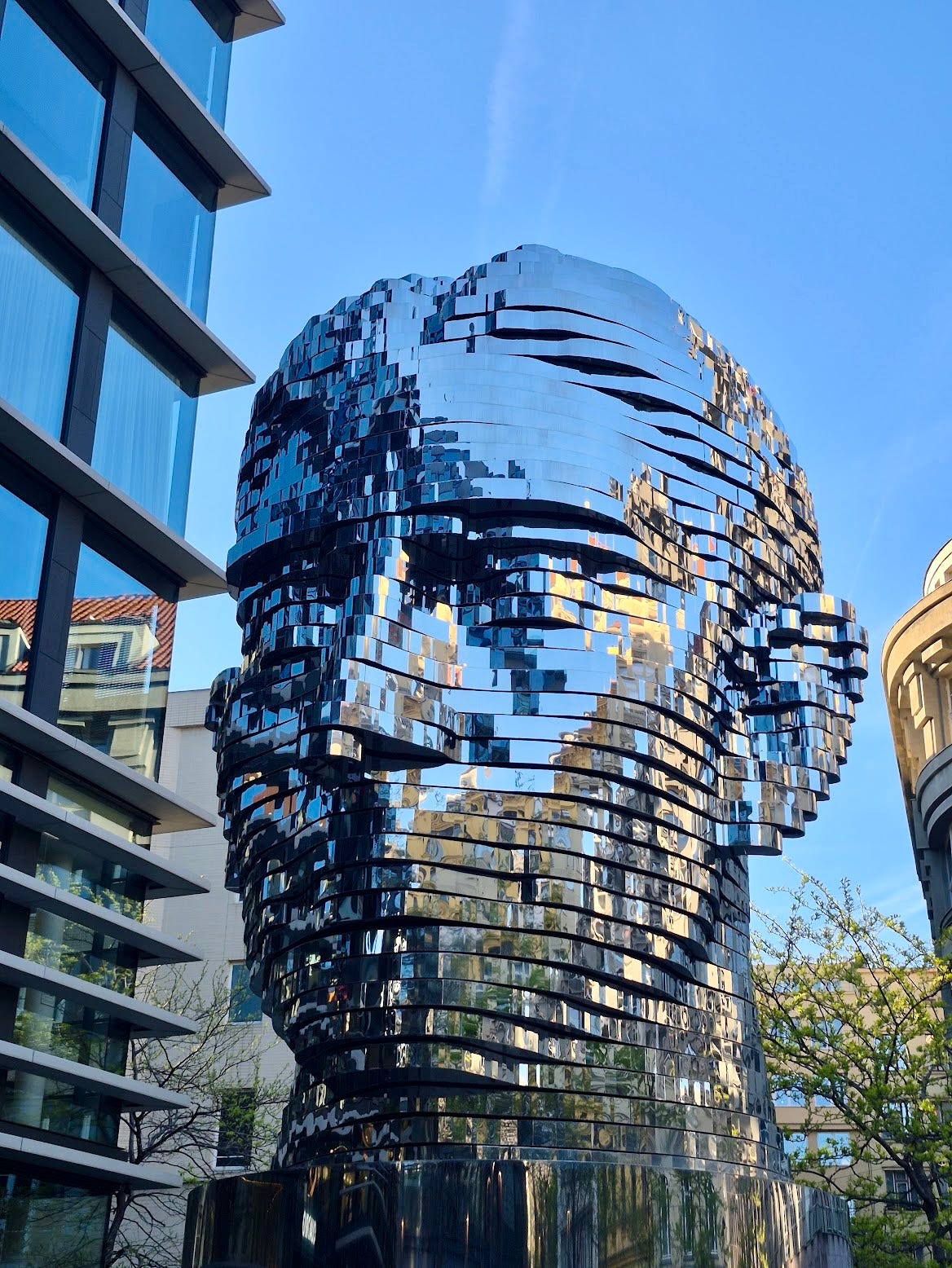
I especially like how you used Kafka head as the illustration image for this article. Looks good!